
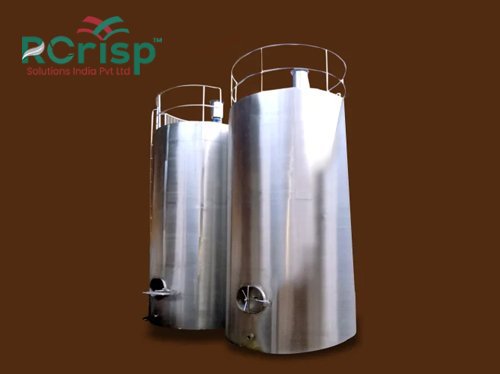
In the dairy industry, maintaining milk quality from farm to processing plant is the most important. Proper storage solution not only preserves freshness but also ensures food safety and operational productivity.
Milk Storage Tank Silos are at the heart of modern dairy operations that provide controlled environments for large volumes of milk. In this guide, you will explore the benefits, types, design considerations, and maintenance practices to help dairy operators maximize freshness and productivity.
What are Milk Storage Tank Silos?
Milk Storage Tank Silos are specialized storage units that are designed to hold milk at its best features until it can be processed. These silos are typically constructed from high-quality stainless steel and equipped with cooling systems, mixers, and hygienic fittings to maintain milk quality. Additionally, these are designed for both short-term and long-term storage and are essential to large-scale dairy operations, dairy cooperatives, and processing plants.
Types of Milk Storage Silos
Milk storage solutions depend on capacity, material, and functionality. Here are the most commonly used types :
1. Maintaining freshness and quality - Proper storage temperature and controlled environment prevent bacterial growth, spoilage, and off-flavours that ensure milk quality from farm to processing plant.
2. Hygienic and Easy to clean - Tanks made of stainless steel or food-grade materials, which are simple to clean and help to reduce the risk of contamination, ensuring safety with food standards.
3. Efficient Handling and Transport - Milk Storage Tank Silos are designed for smooth transfer of milk to processing lines or transport vehicles, which minimizes waste and reduces labor costs.
4. Long-term Durability - High-quality tanks are built to last with rust-proof materials and strong construction, that ensures a reliable storage solution for years.
5. Versatility - Modern silos blend with automated monitoring systems to track temperature, milk levels, and hygiene, which improves operational productivity.
Key Considerations When Choosing Milk Storage Silos
Selecting the right storage solution requires careful planning:
-
Capacity - Determine the required storage volume based on daily milk production and processing schedules. Additionally, larger dairies may need multiple silos to manage peak collection periods.
-
Material - Stainless steel remains the top-choice material for liquid milk storage due to hygiene, durability, and regulatory safety standards. For powdered milk or dry dairy products, Cement Silo Tank options are suitable.
-
Cooling - Mixed cooling units and agitators help maintain consistent temperature and prevent separation that ensure milk quality over time.
-
Manufacturer Reputation - Choosing trusted Silo Manufacturers or Chemical Storage Tank Manufacturers ensures that tanks meet quality standards, safety requirements, and durability expectations.
Maintenance Tips for Milk Storage Tank Silos
Proper maintenance maximizes freshness and long-term tank life:
-
Regular Cleaning - Clean the interior and exterior surfaces regularly using food-grade cleaning solutions to prevent bacterial contamination.
-
Monitor Temperature - It makes sure refrigeration systems are functioning properly and maintain milk at the recommended temperature range (usually 1–4°C).
-
Inspection of mechanical elements - Agitators, valves, and pumps should be checked frequently for wear and tear to prevent operational failures.
-
Check for damage - Even stainless steel tanks may experience rust damage over time. In addition to this, inspect welds, fittings, and insulation periodically to maintain structural integrity.
-
Follow Manufacturer Guidelines - Guidelines to maintenance schedules provided by Silo Manufacturers or Chemical Storage Tank Manufacturers, which ensure safety and longevity.
Applications Beyond Milk Storage
While primarily designed for milk, these silos can also store other liquid dairy products such as cream, yogurt, or whey. Certain tanks are adaptable for powdered milk, bulk ingredients, or even non-food applications in the chemical or pharmaceutical industries.
Frequently Asked Questions (FAQs)
Question - 1 What is the ideal temperature for milk storage in silos?
Answer - Milk should be stored at 1–4°C to preserve freshness and prevent bacterial growth.
Question - 2 How often should milk silos be cleaned?
Answer - Daily cleaning of the interior surfaces is recommended, with thorough inspections and sanitation at regular intervals.
Question - 3 Can cement silo tanks be used for liquid milk?
Answer - Cement silos are generally suited for dry products. For liquid milk, stainless steel Dairy Tank silos are preferred.
Question - 4 How do I choose a reliable silo manufacturer?
Answer - Look for certified Silo Manufacturers or Chemical Storage Tank Manufacturers with proven experience in dairy tank design, installation, and after-sales support.
Question - 5 Can milk silos be integrated with automation systems?
Answer - Yes. Modern Milk Storage Tank Silos often include sensors, temperature monitoring, and remote control for optimized storage and productivity.
Conclusion
The milk freshness starts with the right storage solutions. Milk Storage Tank Silos provide a safe, hygienic, and efficient way to store milk, whether in a small dairy operation or a large-scale processing plant. High-quality Stainless Dairy Tank silos maintain optimal temperatures, prevent contamination, and facilitate milk handling.
While alternatives like Cement Silo Tank designs exist for dry dairy products, liquid milk storage relies on advanced tank technology. Partnering with experienced Silo Manufacturers or Chemical Storage Tank Manufacturers ensures that your investment is reliable, compliant, and long-lasting.
By understanding the types, benefits, and maintenance requirements of milk storage silos, dairy operators can maximize freshness, maintain quality, and ensure operational productivity. Proper storage is not just about keeping milk cold but it’s about preserving the essence of freshness and guaranteeing consumer satisfaction every step of the way.